|
Pett Bottom
01227 203738
https://www.duckpettbottom.co.uk/
https://whatpub.com/duck
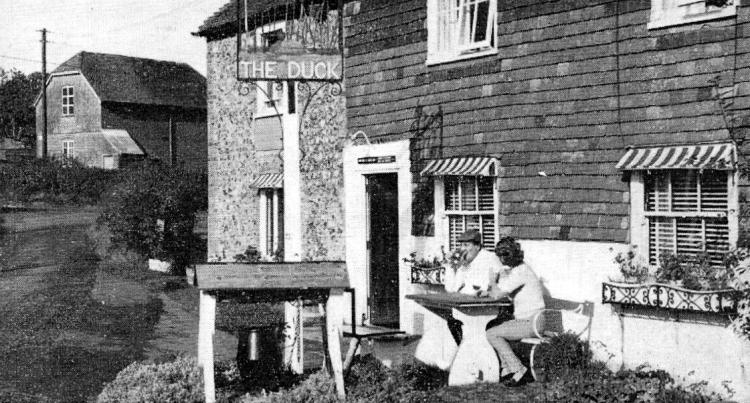
Above photo circa 1959, kindly sent by Rory Kehoe. |
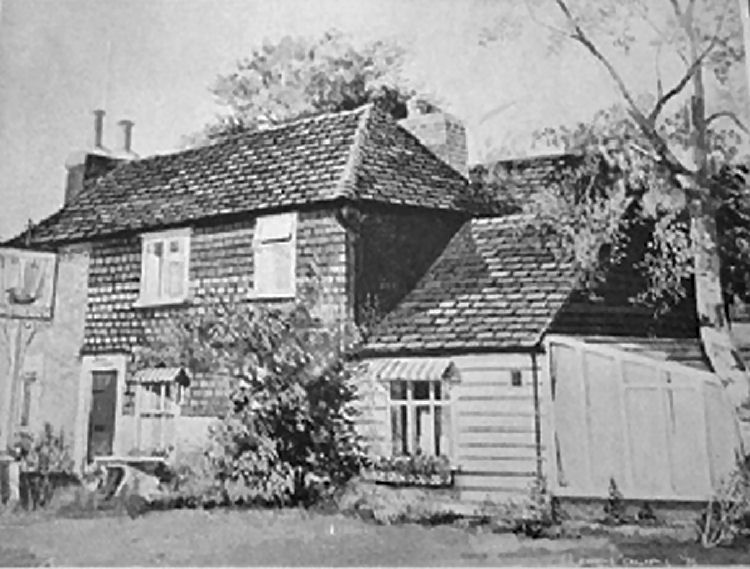
Above painting, date 1966 but artist unknown. |
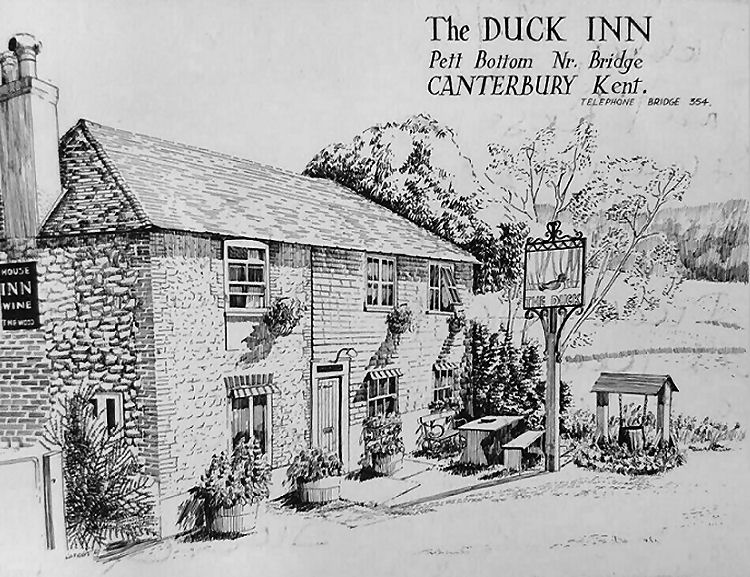
Above postcard, circa 1975, kindly sent by Rory Kehoe. |
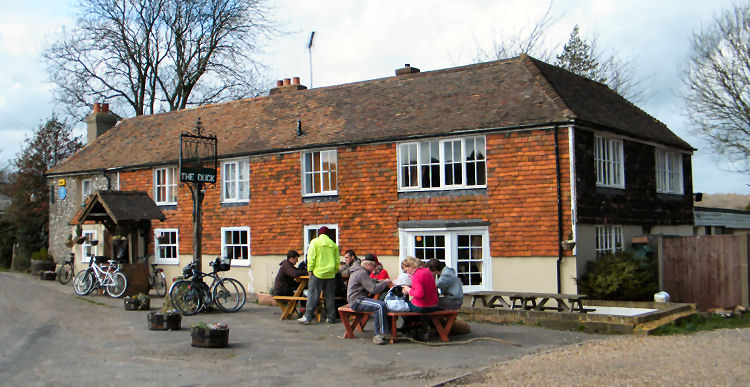 Photo by Paul Skelton, 5th April, 2010.
|
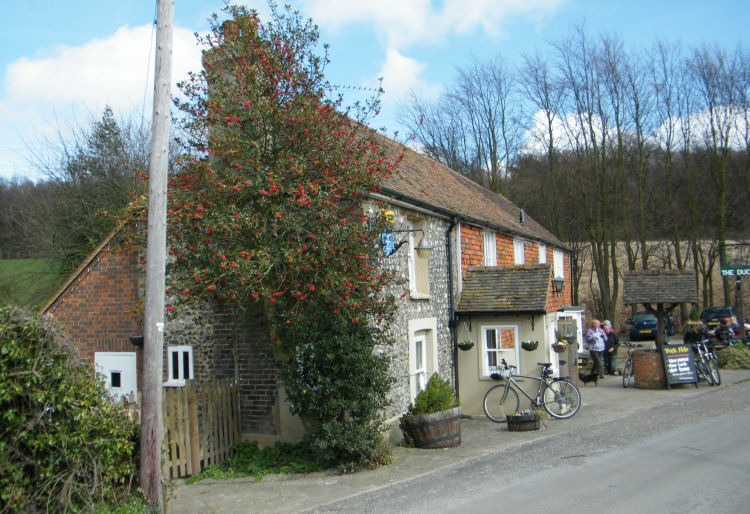 Photo by Paul Skelton, 5th April, 2010. |
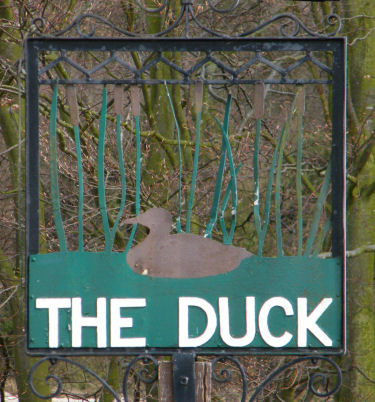 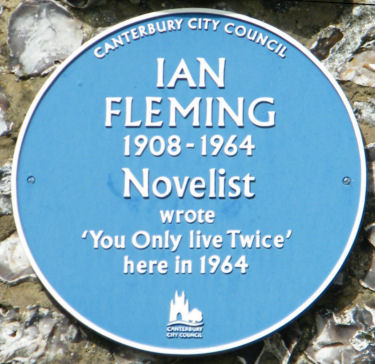
Photos by Paul Skelton, 5th April, 2010. |
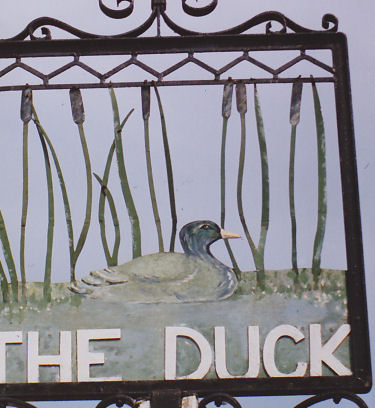 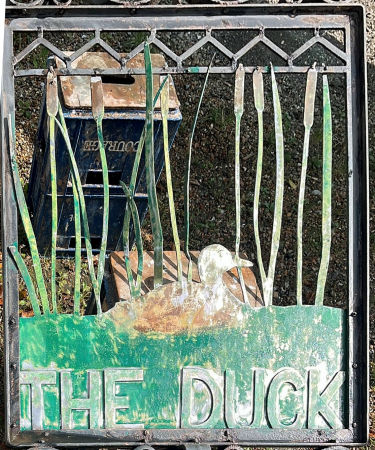
Duck Inn sign left, July 199, sign right 2023.
Above with thanks from Brian Curtis
www.innsignsociety.com |
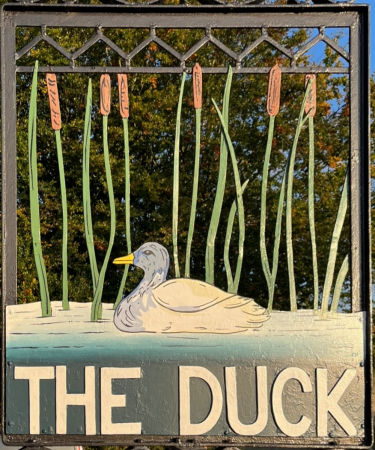
Above sign, 2025, kindly sent by Jon Hadley. |
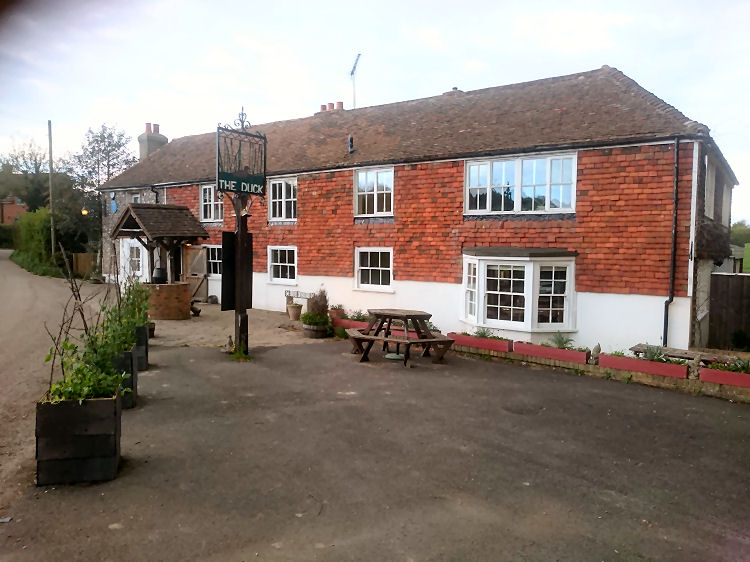
Above photo, kindly taken by Rory Kehoe, May 2018. |
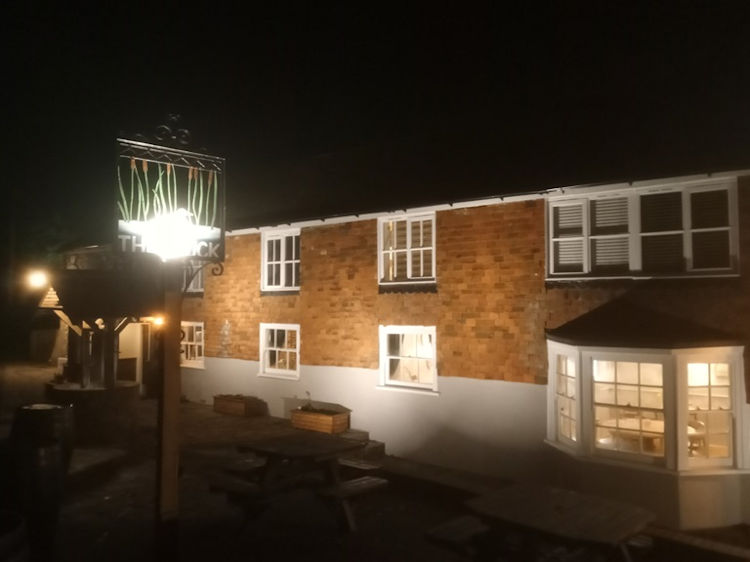
Above photo, kindly taken by Rory Kehoe, 13 November 2024. |
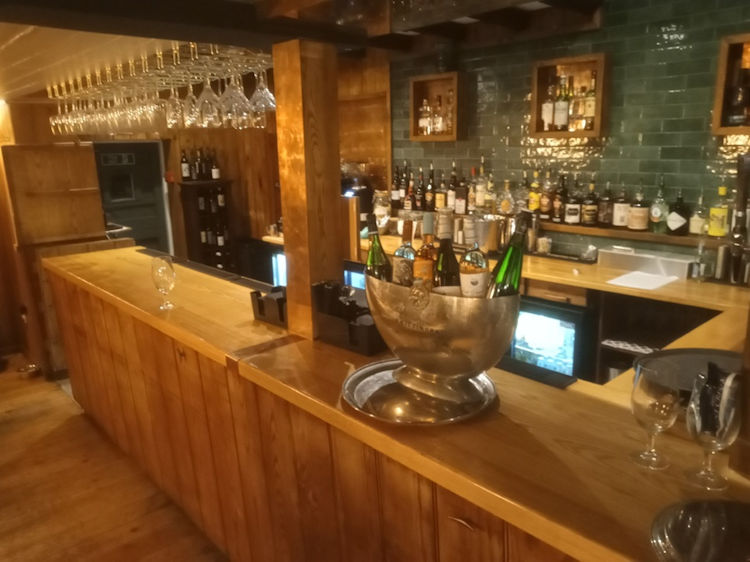
Above photo, kindly taken by Rory Kehoe, 13 November 2024. |
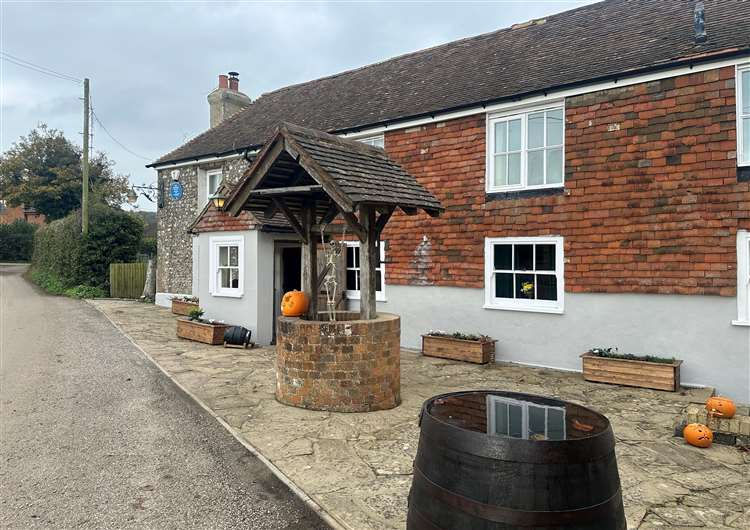
Above photo, 2024. Kindly sent by Jon Hadley. |
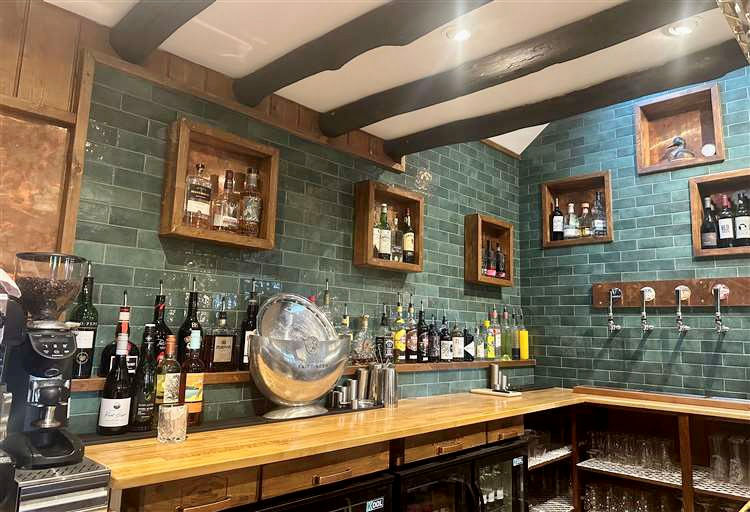
Above photo, 2024. Kindly sent by Jon Hadley. |
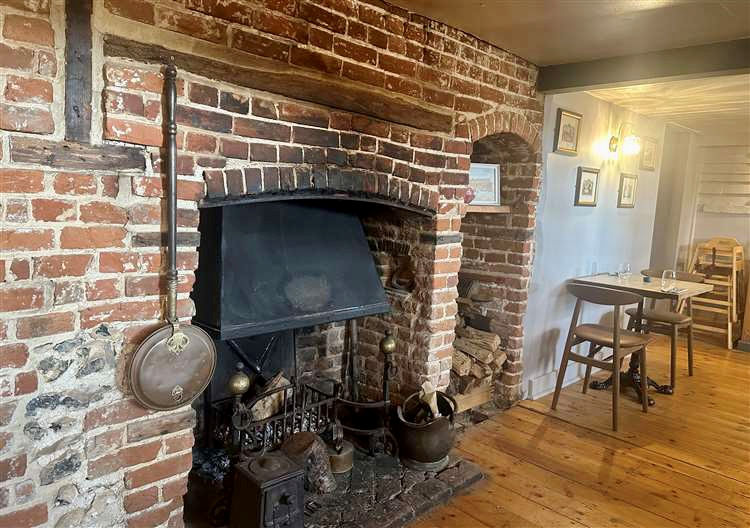
Above photo, 2024. Kindly sent by Jon Hadley. |
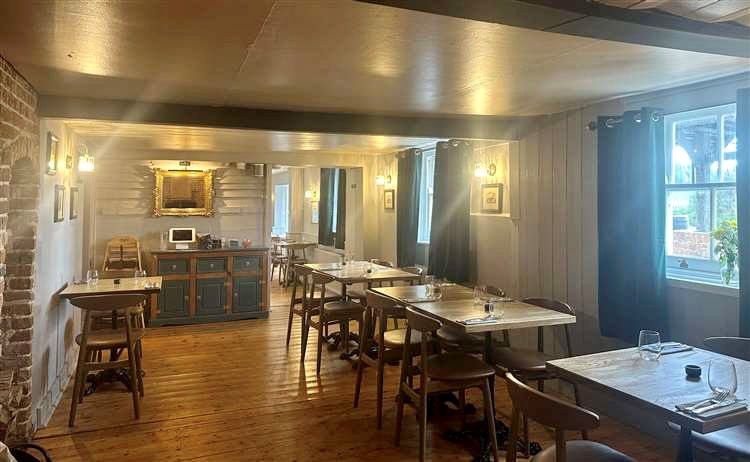
Above photo, 2024. Kindly sent by Jon Hadley. |
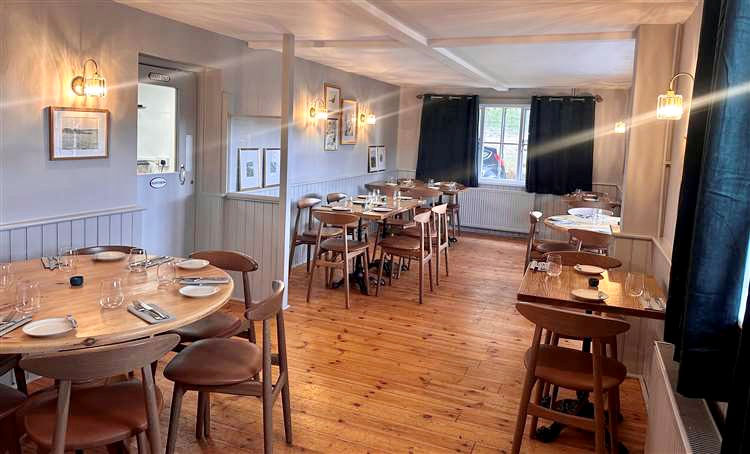
Above photo, 2024. Kindly sent by Jon Hadley. |
Built in 1623 and previously called the "Woodman's Arms"
this premises first sold beer in 1849 and changed name to the "Duck Inn."
Ian Fleming used to be a local to the pub and had a favourite seat in the
garden, where he used to sit and it is said found inspiration to write some
of his James Bond adventures. The seat is still in the gardens and the pub
bears a plaque commemorating the author.
Ian Fleming's 13th book, "You Only Live Twice," which was turned into a
highly successful film, saw British agent James Bond 007 apparently die. His
boss, M, sent a death notice to The Times newspaper. The Duck at Pett Bottom
is mentioned in the passage.
I am unsure at present whether the pub was still called the "Woodman's
Arms" when Ian Fleming wrote "You only Live Twice" and that the mention
in that book was responsible for the changing of the name to the "Duck Inn"
around the 1950s as it is today, but it is rumoured that the name itself
stems from the directive above its low doorway, which advises people to
"Duck."
Apparently the pub is famous for the roast duck served in its restaurant
and for a collection of pre-First World War port bottles in the tiny bar.
|
From Ian Fleming's "You only Live Twice" Chapter 21.
The Times
Commander James Bond,
C.M.G., R.N.V.R.
M. writes:--
As your readers will have learned from earlier issues, a senior
officer of the Ministry of Defence, Commander James Bond, C.M.G.,
R.N.V.R., is missing, believed killed, while on an official mission to
Japan. It grieves me to have to report that hopes of his survival must
now be abandoned. It therefore falls to my lot, as the Head of the
Department he served so well, to give some account of this officer and
of his outstanding services to his country.
James Bond was born of a Scottish father, Andrew Bond of Glencoe, and
a Swiss mother, Monique Delacroix, from the Canton de Vaud. His father
being a foreign representative of the Vickers armaments firm, his early
education, from which he inherited a first-class command of French and
German, was entirely abroad. When he was eleven years of age, both his
parents were killed in a climbing accident in the Aiguilles Rouges above
Chamonix, and the youth came under the guardianship of an aunt, since
deceased, Miss Charmian Bond, and went to live with her at the
quaintly-named hamlet of Pett Bottom near Canterbury in Kent. There, in
a small cottage hard by the attractive Duck Inn, his aunt, who must have
been a most erudite and accomplished lady, completed his education for
an English public school, and, at the age of twelve or thereabouts, he
passed satisfactorily into Eton, for which College he had been entered
at his birth by his father. It must be admitted that his career at Eton
was brief and undistinguished and, after only two halves, as a result,
it pains me to record, of some alleged trouble with one of the boys'
maids, his aunt was requested to remove him. She managed to obtain his
transfer to Fettes, his father's old school. Here the atmosphere was
somewhat Calvinistic, and both academic and athletic standards were
rigorous. Nevertheless, though inclined to be solitary by nature, he
established some firm friendships among the traditionally famous
athletic circles at the school. By the time he left, at the early age of
seventeen, he had twice fought for the school as a light-weight and had,
in addition, founded the first serious judo class at a British public
school. By now it was 1941 and, by claiming an age of nineteen and with
the help of an old Vickers colleague of his father, he entered a branch
of what was subsequently to become the Ministry of Defence. To serve the
confidential nature of his duties, he was accorded the rank of
lieutenant in the Special Branch of the R.N.V.R., and it is a measure of
the satisfaction his services gave to his superiors that he ended the
war with the rank of Commander. It was about this time that the writer
became associated with certain aspects of the Ministry's work, and it
was with much gratification that I accepted Commander Bond's post-war
application to continue working for the Ministry in which, at the time
of his lamented disappearance, he had risen to the rank of Principal
Officer in the Civil Service.
The nature of Commander Bond's duties with the Ministry, which were,
incidentally, recognized by the appointment of C.M.G. in 1954, must
remain confidential, nay secret, but his colleagues at the Ministry will
allow that he performed them with outstanding bravery and distinction,
although occasionally, through an impetuous strain in his nature, with a
streak of the foolhardy that brought him in conflict with higher
authority. But he possessed what almost amounted to "The Nelson Touch"
in moments of the highest emergency, and he somehow contrived to escape
more or less unscathed from the many adventurous paths down which his
duties led him. The inevitable publicity, particularly in the foreign
press, accorded some of these adventures, made him, much against his
will, something of a public figure, with the inevitable result that a
series of popular books came to be written around him by a personal
friend and former colleague of James Bond. If the quality of these
books, or their degree of veracity, had been any higher, the author
would certainly have been prosecuted under the Official Secrets Act. It
is a measure of the disdain in which these fictions are held at the
Ministry, that action has not yet -- I emphasize the qualification --
been taken against the author and publisher of these high-flown and
romanticized caricatures of episodes in the career of a outstanding
public servant.
It only remains to conclude this brief in memoriam by assuring his
friends that Commander Bond's last mission was one of supreme importance
to the State. Although it now appears that, alas, he will not return
from it, I have the authority of the highest quarters in the land to
confirm that the mission proved to be one hundred per cent successful.
It is no exaggeration to pronounce unequivocally that, through the
recent valorous efforts of this one man, the Safety of the Realm has
received mighty reassurance.
James Bond was briefly married in 1962, to Teresa, only daughter of
Marc-Ange Draco, of Marseilles. The marriage ended in tragic
circumstances that were reported in the press at the time. There was no
issue of the marriage and James Bond leaves, so far as I am aware, no
relative living.
M.G. writes:
I was happy and proud to serve Commander Bond in a close capacity
during the past three years at the Ministry of Defence. If our fears for
him are justified, may I suggest these simple words for his epitaph?
Many of the junior staff here feel they represent his philosophy:
"I shall not waste my days in trying to prolong them. I shall use my
time."
|
Other peculiarities that can be found at this pub, if indeed you can find
it yourself, as it is very secluded, (no wonder Ian Fleming used it as a
retreat for inspiration,) are a well outside the doorway and set of stocks
just opposite.
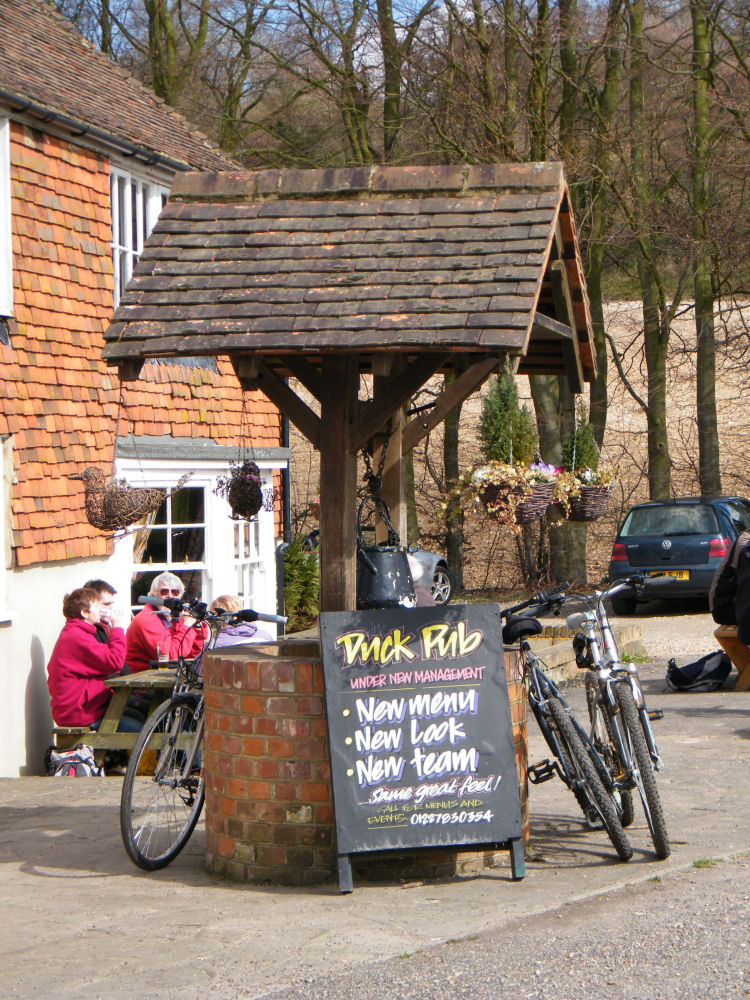
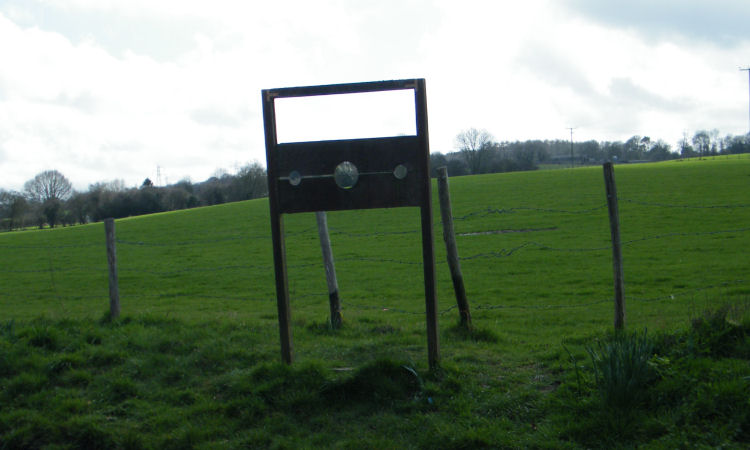
Above photographs as seen just outside the "Duck Inn," by Paul
Skelton, 5th April 2010. |
For full history of the pub visit "Woodman's
Arms."
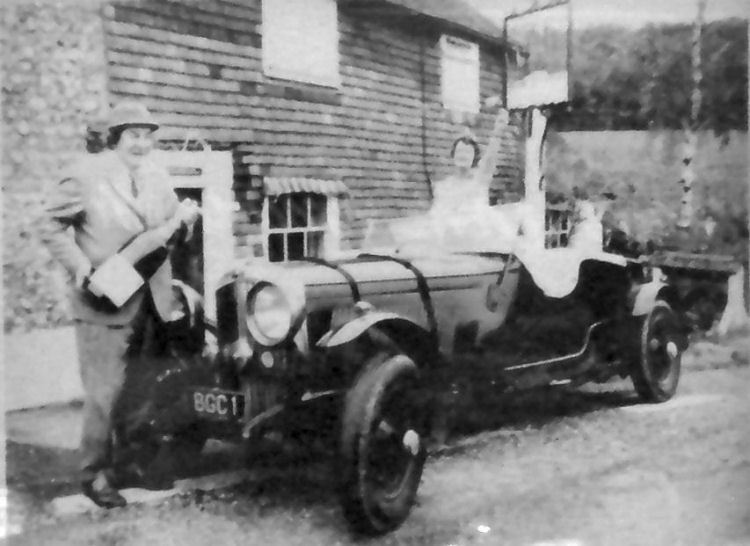
Above photograph shows previous licensee John Lang, date unknown. |
|
From an email received 16 November 2014. Dear Paul,
I lived in Bursted Manor (now a major riding centre), less than a
mile down the valley from The Duck Inn, from 1950-1964.
In those days the pub was owned by Flat and Hinkie Southworth. She
was a great fun hostess, while Flat was rarely seen since his ‘day job'
was lead viola with the London Philharmonic Orchestra (hence his name
provided by the pub regulars!).
The layout of the pub in those days was significant. Entry via the
porch (presumably the same one as in recent photos) gave the visitor the
option of Lounge (to the left) and Dining Room (to the right). However
the dining room was in fact for the regulars to drink in, quite a classy
lot they were too, including ‘county' families such as the Wighams and
Neames.
Any passing motorist needing refreshment hopefully went into the
lounge. Some would however enter the Dining Room where Hinkie at the
small bar would ask ‘Are you dining?' No, ‘Would you kindly use the
Lounge.' If yes, ‘I regret we don't do food, would you kindly use the
Lounge.' Either way we kept our club bar sacrosanct.
My mother was one of those regulars in the Duck's ‘private club'
until 1957 when she remarried in London. I continued to visit my
stepfather as an old teenager and was weaned on Shepherd Neame /Fremlins
bitter at the Duck. Later I would weekend there, regularly visiting the
Duck ‘club' until 1963 when the Southworth's were still in situ and
considering having electricity installed. I think Hinkie must have
passed on about the same time as my stepfather. It was around 1965 that
I read in the Daily Telegraph of the pub being open under new ownership
where the landlady specialised in smorgasbords – this must have been
Olga the Swedish wife of John-Farquhar-Laing And of course I was stunned
to read James Bond's Times obituary in You Only Live Twice. What I do
not recall is any mention of Ian Fleming in all those years I used the
pub.
I hope this is of interest. I am still a regular pub goer (in my 70's
now) but around Bray in Berkshire.
Kind regards
Robin Robins. |
|
From an email received 30 May 2016. I served as the dishwasher/waiter
in the "Duck" in the early seventies, 1972-74 after leaving The Marlowe
Theatre in Canterbury where I was the Stage Manager for three years,
1969-1972.
John Farquhar Ogilvie Laing and Ulla/Olga his wife 'discovered' me in
a pub in Canterbury and offered me the job. John had made the left hand
parlour into The Bar very small, with wooden beer barrels against the
back wall where there was a grated opening which John told me was for
feeding hay to the cows when the bar was a byre, back in the 1600s
thereabout.
In the right-hand side dining room there was a refectory table on a
dais used for parties. One of which was held for the Rolling Stones and
Princess Margaret. The Stones arrived by Helicopter which landed in the
field opposite!
I slept in a caravan around the back to the right of the main
room/restaurant. John and Ulla lived upstairs. Many a morning John, Ulla
and I would sit in the tiny garden at the left for breakfast before
beginning the days work.
I remember the Weekends and day trips to Calais and its wine region
where John and Ulla had close friends and bringing back crates of French
Wines in the back seat of the Bentley.
John was very well-connected and a number of times the Ferry trip was
spent on the bridge with John and the Captain chatting about old times!
John told me that the Inn was first used as a "pub" for the estate
workers in the 17th century and evolved from there. He also mentioned
that it was first granted a brewing beer-only licence soon after it was
built. Since it was on a private estate the ale was not for sale and was
only for the tenant farmers. My memories may be clouded at this
distance, but that's what love does for one as one ages. Long may the
"Duck" linger.
Peter Kaukas
AUSTRALIA |
Closed from September 2017 for refurbishments, but the rumour is they may
be putting in an application for change of use. However, I heard in April
2018 that it had reopened again. But then again in September 2023, I read
the following:-
|
From the
https://www.kentonline.co.uk By Brad Harper, 13 September 2023.
Bosses at The Duck Inn near Canterbury shut Michelin Guide pub with
links to James Bond.
A Michelin Guide restaurant and pub with links to James Bond has
shut its doors “with immediate effect”.
The bosses of The Duck Inn in Pett Bottom, near Canterbury, say they
have been forced to close due to the impact of rising costs.
Based in the Kent Downs, the scenic pub was previously recognised
for its culinary efforts, having been included in the Michelin Guide
and ranked in the Estrelle Damm Top 50 Gastropubs Awards.
But a notice on the restaurant’s website states: “We are very sorry
to say that due to the impact of rising costs, we have reluctantly
taken the decision to close The Duck with immediate effect.
“Thank you for all of your support over the last five and a half
years.”
The building dates back to 1623 and sold its first beer in 1849. It
was previously called the "Woodman’s Arms," before later becoming the
Duck Inn.
James Bond creator Ian Fleming was a regular at the pub and wrote
You Only Live Twice there in 1964, with the venue also featuring in
the novel.
Visit Kent’s website says: “The Duck Inn was one of Fleming’s
favourite ‘locals’ – find his preferred seat, marked with a plaque,
in the picturesque gardens.
“In You Only Live Twice it is revealed that James Bond spent his
early years, under the guardianship of an aunt, in a small cottage
beside ‘the attractive Duck Inn’ at the ‘quaintly named hamlet of
Pett Bottom.’
“That very cottage is now part of the pub.”
In You Only Live Twice, the fictional secret agent is said to have
lived there with his aunt after he was orphaned.
Bond’s boss, M, sent a death notice to The Times newspaper, which
reads: "When [James] was 11 years of age, both his parents were
killed in a climbing accident in the Aiguilles Rouges above
Chamonix, and the youth came under the guardianship of an aunt,
since deceased, Miss Charmian Bond, and went to live with her at the
quaintly-named hamlet of Pett Bottom near Canterbury in Kent.
"There, in a small cottage hard by the attractive Duck Inn, his
aunt, who must have been a most erudite and accomplished lady,
completed his education for an English public school, and, at the
age of twelve or thereabouts, he passed satisfactorily into Eton,
for which College he had been entered at his birth by his father."
The novel was the last James Bond instalment to be published in the
author’s lifetime.
After suffering a heart attack in 1961, Fleming had a second shortly
after returning from the Royal St George's Golf Club, where he had
dined with friends, to a hotel in Canterbury.
He did not recover, despite being able to apologise to the ambulance
crew en route to the hospital, and died at the Kent and Canterbury
Hospital on August 12, 1964 – the date of his son Casper's 12th
birthday. |
Reopened again 1st November 2024.
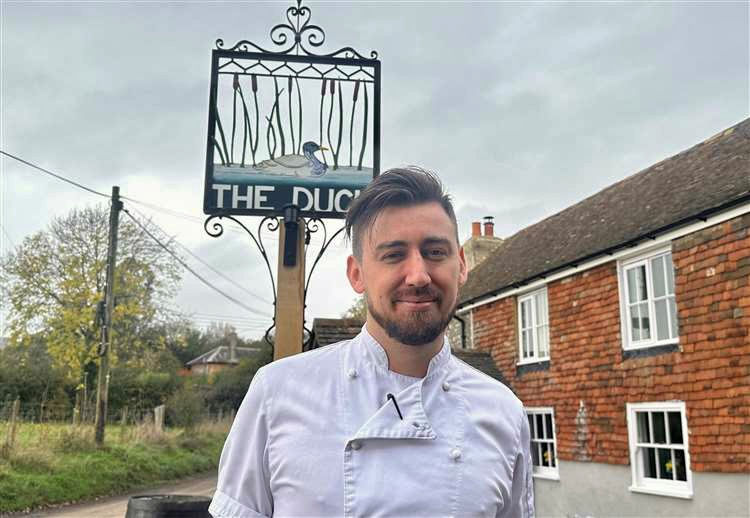
Above photo, showing licensee/chef Kyle Hadley-Quinn, 2024. Kindly
sent by Jon Hadley. |
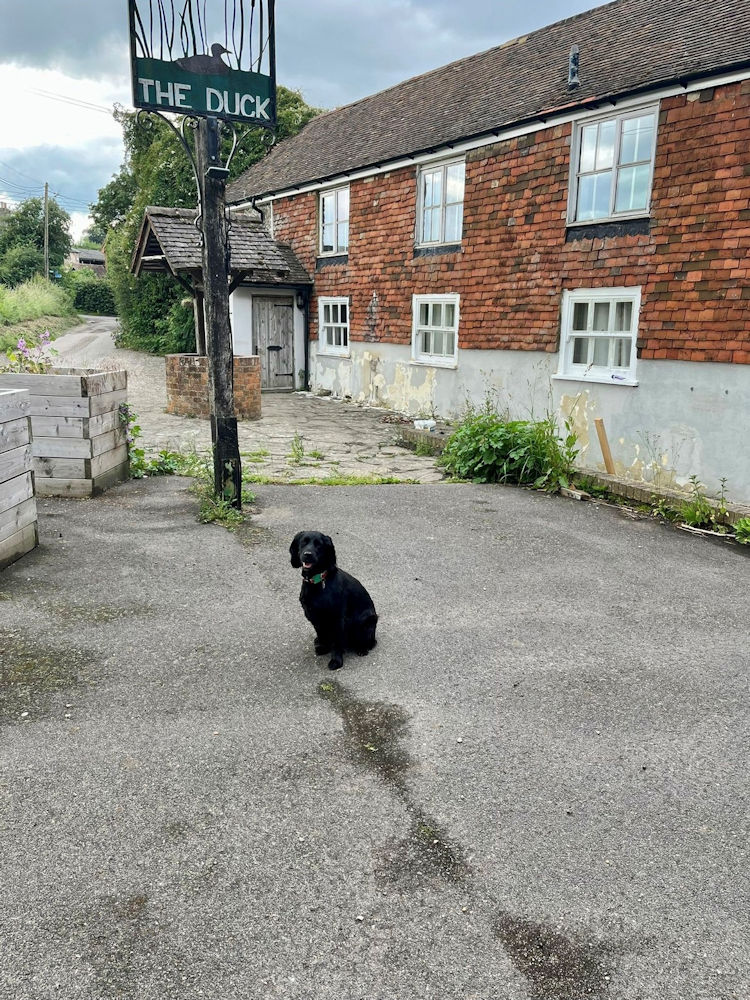
Above photo, showing resident dog, Kali, June 2024. Kindly sent
by Jon Hadley. |
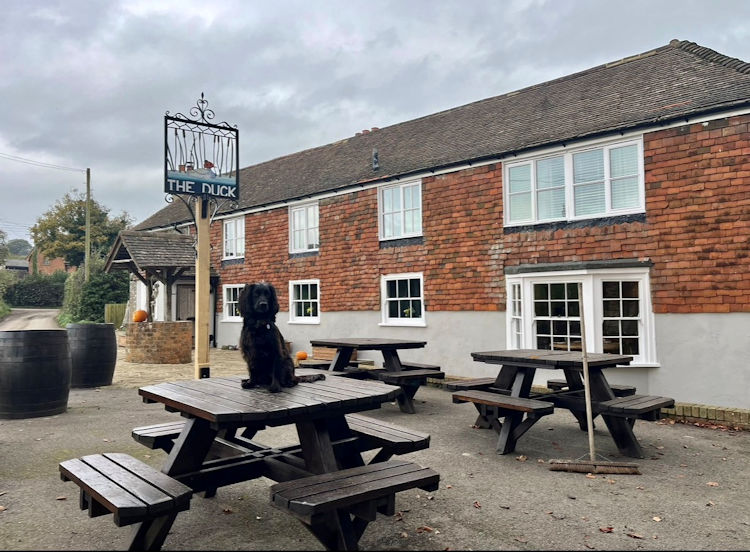
Above photo, November 2024. Kindly sent by Jon Hadley. |
LICENSEE LIST
SOUTHWORTH Flat & Hinky 1950-64
FARQUAHAR-LANG John Ogilvie 1965-83+
BROWN Ron & Mavis 1984-98
WINK Martin 1998-2003
KELLY Dan & Nadine 2003-08
PRYNE Jon 2008-2012+
LEGG Dean Patrick & SMITH Becky 10/Jan/2018-Sept/2023
HADLEY-QUINN Kyle Nov/2024+
|

